The Karst and Glacial Heritage of the Julian Alps
The Julian Alps are composed predominantly of Triassic Dachstein limestone and dolomite, producing dramatic, pale grey vertical towers, deep sinkholes, and subterranean cavern networks. As the Bohinj glacier retreated some 14,000 years ago, it left behind deep rock basins that were subsequently filled by glacial melt and subterranean karst springs.
Both Lake Bled (Blejsko jezero) and Lake Bohinj (Bohinjsko jezero) are fed directly by the drainage basin of Slovenia's highest peak, Mount Triglav (2,864m). However, their development, size, and ecological setting offer distinct experiences for the outdoor traveler.
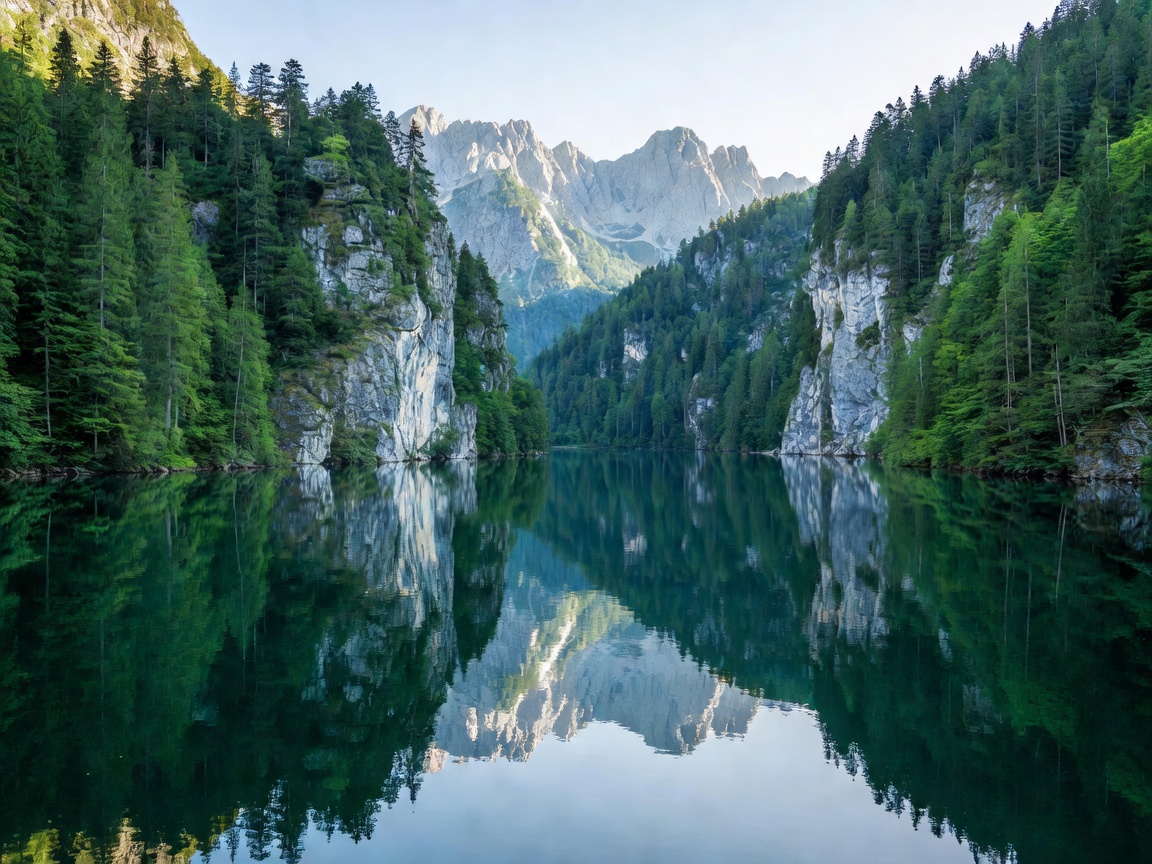
Lake Bled: Iconic Thermal-Fed Elegance
Lake Bled sits at an elevation of 475 meters. Unlike purely glacial lakes fed entirely by icy snowmelt, Bled is supplied on its northeastern shore by warm thermal springs. These springs moderate the lake's temperature, warming the surface waters to an inviting 22°C–25°C in midsummer, making Bled one of the warmest alpine lakes in Europe.
The focal point is Slovenia's only natural island, housing the 17th-century Church of the Assumption of Mary. Access to the island is preserved by the guild of Pletnarji, oarsmen who operate the traditional Pletna—a flat-bottomed wooden boat propelled using a distinctive standing two-oar technique known as stehritt.
Active Routes: The Ojstrica & Mala Osojnica Viewpoints
While the 6-kilometer paved path encircling the entire shoreline is suitable for leisurely strolls, the most rewarding perspectives require hiking up the wooded limestone ridges on the western bank. The trail to Ojstrica (611m) and Mala Osojnica (685m) involves a steep 20- to 35-minute ascent over roots and a metal stairway, delivering the classic view of the church island aligned with the cliff-top Bled Castle and the Karawanks range in the background.
Limnological Note: Thermal Bathing
In the 19th century, Swiss natural physician Arnold Rikli established Bled as a premier health resort, utilizing the lake's mild thermal waters, pure alpine air, and solar bathing to treat ailments, laying the foundations of modern alpine wellness travel.
Lake Bohinj: Wild Heart of Triglav National Park
Continuing west past the Bohinjska Bela gorge leads into the Bohinj basin, cradled entirely within the strictly regulated boundaries of Triglav National Park. Lake Bohinj is Slovenia's largest natural permanent lake, stretching 4.1 kilometers in length with a maximum depth of 45 meters.
Surrounded on three sides by the steep, 1,000-meter vertical walls of the Fužine and Lower Bohinj mountain ranges, Bohinj remains remarkably undeveloped. Shoreline construction is largely banned, leaving the pebble and gravel beaches open and fringed with native beech, spruce, and larch forests.
Hiking the Seven Lakes Valley & Vogel Cable Car
Bohinj is the primary southern gateway for high-altitude expeditions into Triglav National Park:
- Savica Waterfall: The primary inflow of Lake Bohinj gushes dramatically from a karst cave in the Komarča cliff face, plunging 78 meters into a deep emerald pool before feeding the lake via the Savica river.
- The Triglav Lakes Valley: Ascending the steep Komarča wall leads directly to the legendary Valley of the Seven Triglav Lakes, a high karst plateau dotted with isolated glacial tarns at elevations between 1,600 and 2,000 meters.
- Vogel High Plateau: From Ukanc at the lake's western shore, a cable car climbs 1,000 vertical meters to the Vogel ski and hiking center (1,535m), providing panoramic views over Lake Bohinj and the rugged north face of Triglav.
Comparative Specifications: Bled vs. Bohinj
| Specification | Lake Bled | Lake Bohinj |
|---|---|---|
| Surface Altitude | 475 m | 526 m |
| Surface Area | 1.45 km² | 3.18 km² |
| Max Depth | 30.6 m | 45 m |
| Water Renewal Cycle | Approx. 3.6 years | Extremely rapid: 3 to 4 times per year |
| Summer Water Temp | 22°C – 25°C (Thermal-influenced) | 18°C – 21°C (Alpine snowmelt-fed) |
| Environmental Status | Municipal Landscape Park | Triglav National Park (Core/Buffer Zone) |
| Watercraft Permitted | Pletna, non-motorized rowboats, SUP | Electric passenger boats, kayaks, canoes, SUP |
Field Assessment & Logistical Advice
Pros & Highlights
- Exceptional environmental preservation: Bohinj’s water renewal cycle of just a few months ensures incredible clarity, with native marble trout and Arctic char visible from the surface.
- Proximity and complementary nature: Staying in one basin allows immediate day-trip access to the other, pairing Bled’s cultural dining and architecture with Bohinj’s rugged wilderness.
- Accessible public transit: Regular buses run every hour between Ljubljana, Bled, Bohinjska Bistrica, and Lake Bohinj (Ukanc).
Key Considerations
- Parking restrictions at Bohinj: Parking directly along Lake Bohinj is intentionally constrained to protect the national park ecosystem. Using the designated shuttle buses from Bohinjska Bistrica is strongly recommended.
- Alpine weather shifts: The Julian Alps generate rapid localized thunderstorms in the late afternoon during July and August; hikers on exposed ridges must plan early starts.